
Shipping containers come in standardised ISO sizes. The most commonly used are 20ft and 40ft containers, available in standard and high cube heights. Here’s a quick comparison of the most popular sizes.
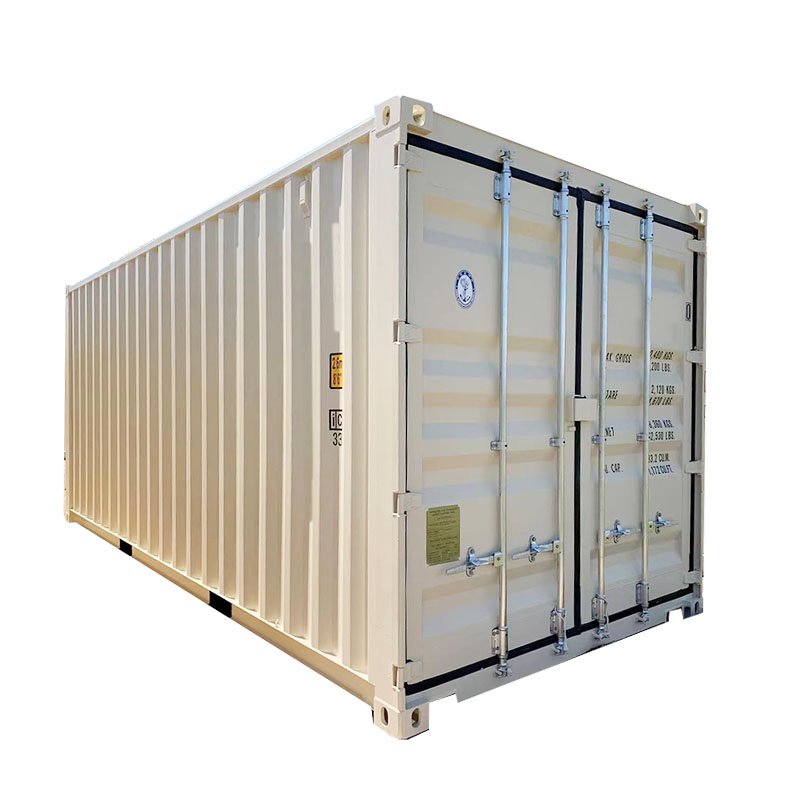
20ft Standard
6.06m x 2.44m x 2.59m
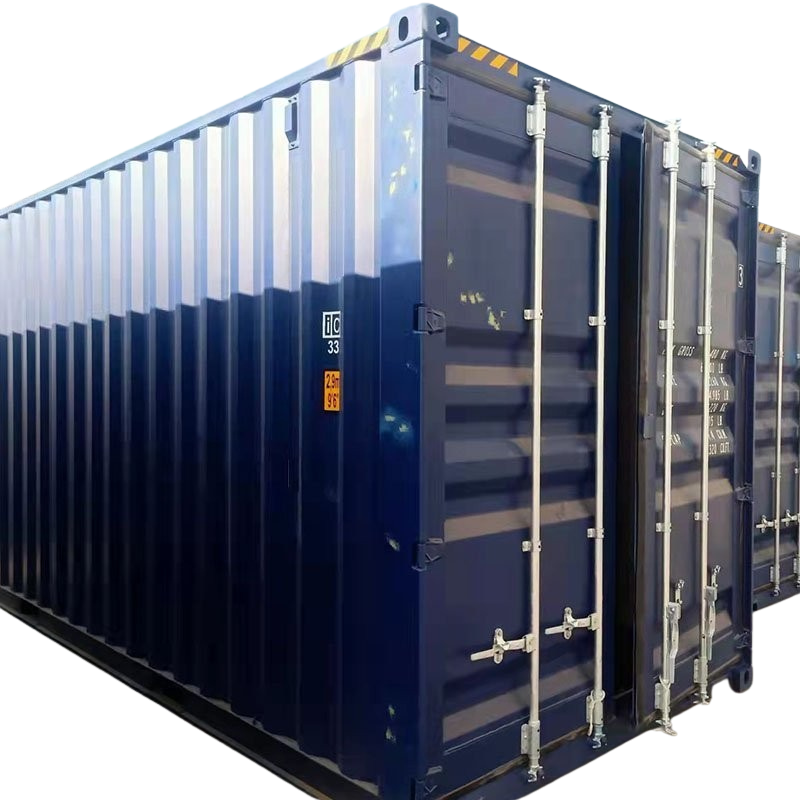
20ft High Cube
6.06m x 2.44m x 2.90m
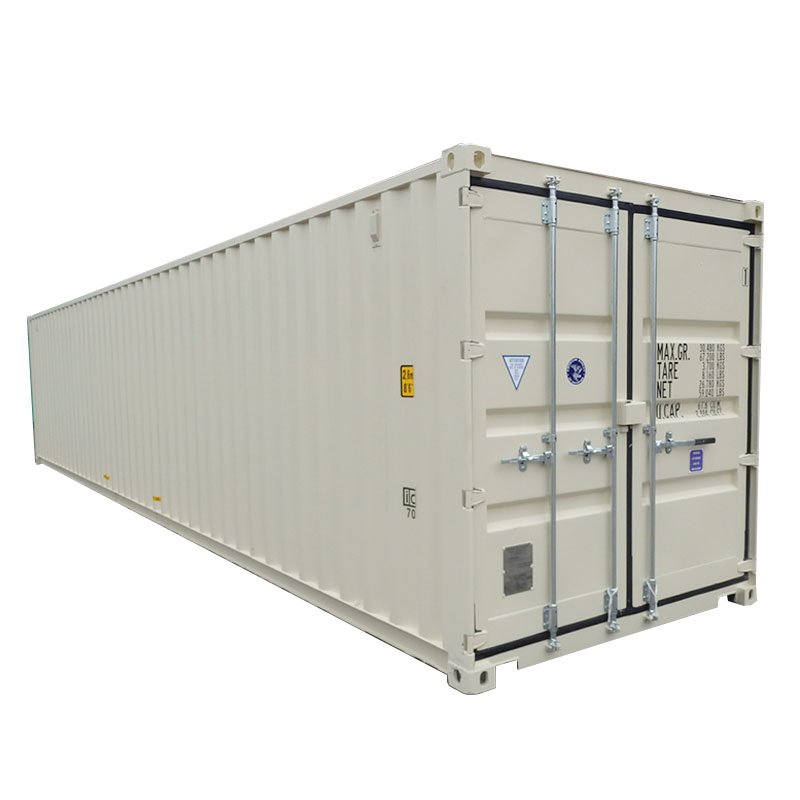
40ft Standard
12.19m x 2.44m x 2.59m
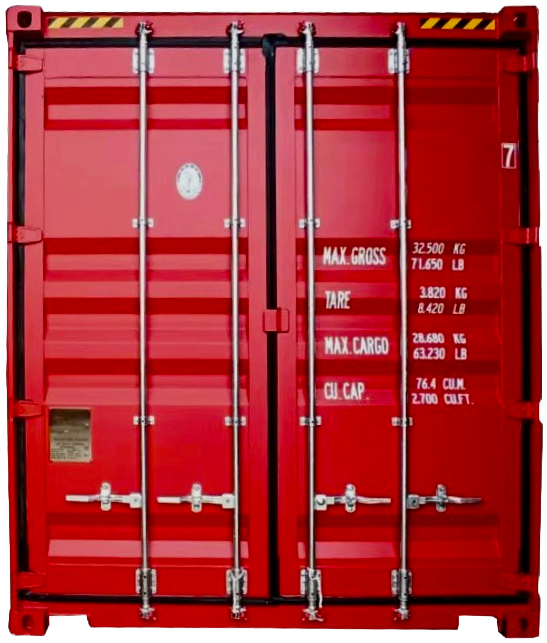
40ft High Cube
12.19m x 2.44m x 2.90m
Complete comparison of internal dimensions, door openings, and capacities for all standard dry shipping containers.
| Container Type | Internal Length | Internal Width | Internal Height | Door Width | Door Height | Capacity | Payload |
|---|---|---|---|---|---|---|---|
| 20ft Standard | 5,898 mm | 2,352 mm | 2,390 mm | 2,340 mm | 2,280 mm | 33.1 m³ | 28,330 kg |
| 20ft High Cube | 5,898 mm | 2,352 mm | 2,700 mm | 2,340 mm | 2,585 mm | 37.4 m³ | 28,165 kg |
| 40ft Standard | 12,032 mm | 2,352 mm | 2,390 mm | 2,340 mm | 2,280 mm | 67.6 m³ | 26,840 kg |
| 40ft High Cube | 12,032 mm | 2,350 mm | 2,695 mm | 2,340 mm | 2,585 mm | 76.2 m³ | 28,800 kg |
| 45ft High Cube | 13,556 mm | 2,352 mm | 2,697 mm | 2,340 mm | 2,585 mm | 86.0 m³ | 27,850 kg |
| Container Type | External Length | External Width | External Height | Tare Weight | Max Gross Weight |
|---|---|---|---|---|---|
| 20ft Standard | 6,058 mm (19'10") | 2,438 mm (8'0") | 2,591 mm (8'6") | 2,150 kg | 30,480 kg |
| 20ft High Cube | 6,058 mm (19'10") | 2,438 mm (8'0") | 2,896 mm (9'6") | 2,315 kg | 30,480 kg |
| 40ft Standard | 12,192 mm (40'0") | 2,438 mm (8'0") | 2,591 mm (8'6") | 3,640 kg | 30,480 kg |
| 40ft High Cube | 12,192 mm (40'0") | 2,438 mm (8'0") | 2,896 mm (9'6") | 3,700 kg | 32,500 kg |
| 45ft High Cube | 13,716 mm (45'0") | 2,438 mm (8'0") | 2,896 mm (9'6") | 4,650 kg | 32,500 kg |
Select a container type below for complete specifications including internal dimensions, door openings, weight limits,
and space calculations.
The 20ft container is the industry standard unit of measurement (TEU – Twenty-foot Equivalent Unit), ideal for heavy or dense cargo shipments and smaller loads.
| Internal Dimensions | Door Opening | Weight | |||
|---|---|---|---|---|---|
| Length | 5,898 mm / 19'4" | Width | 2,340 mm / 7'8" | Tare Weight | 2,150 kg / 4,740 lbs |
| Width | 2,352 mm / 7'8" | Height | 2,280 mm / 7'5" | Max Payload | 28,330 kg / 62,456 lbs |
| Height | 2,390 mm / 7'10" | Max Gross | 30,480 kg / 67,196 lbs | ||
| Cubic Capacity | 33.1 m³ / 1,169 ft³ | ||||
The 20ft High Cube offers an additional 30.5cm (1 foot) of vertical space compared to the standard 20ft container, ideal for taller cargo or when extra stacking height is needed.
| Internal Dimensions | Door Opening | Weight | |||
|---|---|---|---|---|---|
| Length | 5,898 mm / 19'4" | Width | 2,340 mm / 7'8" | Tare Weight | 2,315 kg / 5,103 lbs |
| Width | 2,352 mm / 7'8" | Height | 2,585 mm / 8'5" | Max Payload | 28,165 kg / 62,092 lbs |
| Height | 2,700 mm / 8'10" | Max Gross | 30,480 kg / 67,196 lbs | ||
| Cubic Capacity | 37.4 m³ / 1,321 ft³ | ||||
The 40ft container is the most widely used shipping container in global trade. It provides double the floor space of a 20ft unit and is the standard for most international shipments.
| Internal Dimensions | Door Opening | Weight | |||
|---|---|---|---|---|---|
| Length | 12,032 mm / 39'5" | Width | 2,340 mm / 7'8" | Tare Weight | 3,640 kg / 8,025 lbs |
| Width | 2,352 mm / 7'8" | Height | 2,280 mm / 7'5" | Max Payload | 26,840 kg / 59,172 lbs |
| Height | 2,390 mm / 7'10" | Max Gross | 30,480 kg / 67,196 lbs | ||
| Cubic Capacity | 67.6 m³ / 2,387 ft³ | ||||
The 40ft High Cube is the most popular container for international shipping. The extra foot of height allows for more efficient cargo stacking and accommodates taller items.
| Internal Dimensions | Door Opening | Weight | |||
|---|---|---|---|---|---|
| Length | 12,032 mm / 39'5" | Width | 2,340 mm / 7'8" | Tare Weight | 3,700 kg / 8,157 lbs |
| Width | 2,350 mm / 7'8" | Height | 2,585 mm / 8'5" | Max Payload | 28,800 kg / 63,492 lbs |
| Height | 2,695 mm / 8'10" | Max Gross | 32,500 kg / 71,650 lbs | ||
| Cubic Capacity | 76.2 m³ / 2,690 ft³ | ||||
The 45ft container offers the largest standard shipping container capacity. Commonly used in domestic and intra-regional trade routes where maximum volume is required.
| Internal Dimensions | Door Opening | Weight | |||
|---|---|---|---|---|---|
| Length | 13,556 mm / 44'5" | Width | 2,340 mm / 7'8" | Tare Weight | 4,650 kg / 10,251 lbs |
| Width | 2,352 mm / 7'8" | Height | 2,585 mm / 8'5" | Max Payload | 27,850 kg / 61,398 lbs |
| Height | 2,697 mm / 8'10" | Max Gross | 32,500 kg / 71,650 lbs | ||
| Cubic Capacity | 86.0 m³ / 3,037 ft³ | ||||
Beyond standard dry containers, specialised containers serve unique cargo requirements.
Here are the dimensions for the most common specialised types.
Reefer containers feature built-in refrigeration units that maintain temperature-controlled environments from -30°C to +30°C. Internal dimensions are slightly smaller due to insulation.
| Type | Internal Length | Internal Width | Internal Height | Capacity | Tare Weight | Payload |
|---|---|---|---|---|---|---|
| 20ft Reefer | 5,456 mm | 2,288 mm | 2,263 mm | 28.2 m³ | 2,810 kg | 27,670 kg |
| 40ft HC Reefer | 11,590 mm | 2,284 mm | 2,544 mm | 67.5 m³ | 4,490 kg | 30,510 kg |
Open top containers have a removable tarpaulin or hard-top roof, allowing top-loading of oversized or heavy cargo using cranes.
| Type | Internal Length | Internal Width | Internal Height | Roof Opening (L x W) | Capacity | Payload |
|---|---|---|---|---|---|---|
| 20ft Open Top | 5,898 mm | 2,350 mm | 2,348 mm | 5,680 x 2,252 mm | 32.5 m³ | 28,240 kg |
| 40ft Open Top | 12,022 mm | 2,350 mm | 2,348 mm | 11,798 x 2,230 mm | 66.3 m³ | 26,600 kg |
| 40ft HC Open Top | 12,032 mm | 2,352 mm | 2,653 mm | 11,806 x 2,192 mm | 75.1 m³ | 28,610 kg |
Flat rack containers have collapsible or fixed end walls with no side walls or roof. Designed for oversized, heavy, or irregularly shaped cargo.
| Type | Internal Length | Internal Width | Internal Height | Capacity | Tare Weight | Max Load |
|---|---|---|---|---|---|---|
| 20ft Flat Rack | 5,668 mm | 2,194 mm | 2,213 mm | 28.4 m³ | 3,100 kg | 35,000 kg |
| 40ft Flat Rack | 11,852 mm | 2,208 mm | 1,955 mm | 53.2 m³ | 6,200 kg | 38,800 kg |
| 40ft HC Flat Rack | 11,658 mm | 2,374 mm | 2,264 mm | 64.3 m³ | 6,250 kg | 52,500 kg |
Container weight specifications are critical for safe transportation and compliance with road, rail, and maritime regulations.
Here are the key weight terms you need to know.
The weight of the empty container itself. A standard 20ft container weighs approximately 2,150 kg empty, while a 45ft HC weighs around 4,650 kg.
The maximum weight of cargo the container can hold. This is the max gross weight minus the tare weight of the container.
The maximum total weight including both the container and its cargo. This is the absolute weight limit for safe handling and transport.
Selecting the right container depends on your cargo volume, weight, and specific requirements.
Use this guide to make the best choice.
Common questions about shipping container sizes, dimensions, and specifications.
The only difference is height. A standard container has an external height of 8’6″ (2,591 mm), while a High Cube container stands at 9’6″ (2,896 mm). This extra foot of height translates to approximately 13% more cubic capacity. High Cube containers are marked with black and yellow striped tape near the corner castings for easy identification.
The 40ft High Cube (40HC) is the most widely used container in international shipping. It offers 76.2 m³ of cargo space and the extra foot of height compared to a standard 40ft container makes it versatile for a wide range of goods. The 20ft standard container is the second most common and serves as the basis for the industry-standard TEU (Twenty-foot Equivalent Unit) measurement.
A standard 20ft container can fit approximately 10-11 standard pallets (1,200 x 1,000 mm) loaded in a single layer. A 40ft container can accommodate approximately 20-21 standard pallets in a single layer. If using Euro pallets (1,200 x 800 mm), a 20ft container fits about 11 pallets and a 40ft fits about 23-24 pallets.
TEU stands for Twenty-foot Equivalent Unit and represents the cargo capacity of a standard 20ft container. FEU stands for Forty-foot Equivalent Unit and equals two TEUs. These are standard units used across the shipping industry to measure vessel capacity, port throughput, and trade volumes. For example, a vessel with a capacity of 10,000 TEU can carry 10,000 twenty-foot containers or 5,000 forty-foot containers.
Yes. Shipping container dimensions are standardised by the International Organization for Standardization (ISO) under ISO 668 and ISO 1496. This ensures containers are interchangeable across ships, trucks, and rail platforms worldwide. However, slight variations (typically 10-20mm) can occur between manufacturers, which is why dimensions are often given as approximate values.
The difference between internal and external dimensions accounts for the thickness of the container walls, floor, and roof. Standard steel container walls are approximately 2mm thick, but the corrugated steel panels and structural framing add to the total wall thickness. The floor typically includes marine-grade plywood (approximately 28mm thick) over steel cross-members, which reduces the internal height by about 200mm compared to the external height.
Absolutely. Shipping containers are widely used for on-site storage, workshops, offices, accommodation, cafes, and retail pop-ups. For storage, both new (one-trip) and used containers are suitable. For conversions, High Cube containers are preferred as they offer greater internal height for comfortable living and working spaces. At Infinex Containers, we offer customised container solutions tailored to your specific requirements.
Our team can help you select the perfect container size for your cargo, storage, or conversion project.
WhatsApp us